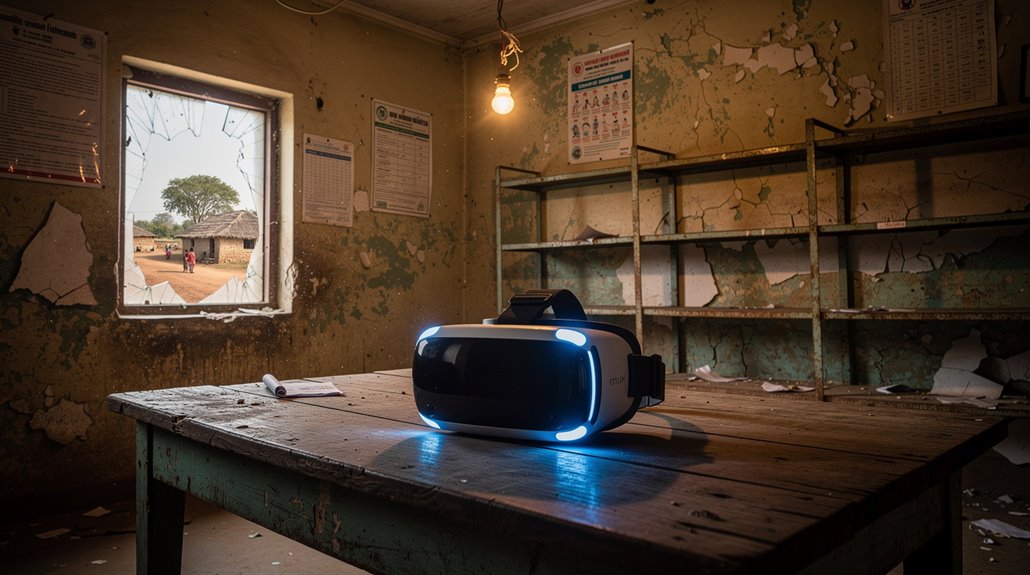

Meta’s metaverse dream just hit the brakes—hard. What started with a splashy $2 billion purchase of Oculus VR in 2014, a rebrand from Facebook to Meta in 2021, and bold promises of virtual hangouts and digital real estate, has now fizzled into a ghost town no one’s visiting.
Despite pouring nearly $25 billion into the venture since the rebrand and losing over $60 billion through Reality Labs since 2020, Meta’s metaverse platforms like Horizon Worlds barely moved the needle—generating just $2.2 billion in 2022. That’s like spending a fortune on a neon party bus that only three people ever ride.
Spent $25B, lost $60B, made $2.2B—like buying a neon party bus for a ride no one took.
User adoption? Crickets. Platforms like Decentraland and Sandbox had fewer than 1,000 daily users by mid-2022, and Horizon Worlds, despite all the cash, became a virtual ghost town with predators lurking and almost no one around to care.
Remember those virtual land plots selling for tens of thousands? Worth pennies now—like digital Beanie Babies after the hype died. And let’s be real, convincing 1,000 people to hang out in a laggy VR world is harder than getting your little brother to clean his room.
So Meta did what any reasonable adult would—changed plans. Enter Meta’s Shift: move over, metaverse, hello AI. Zuckerberg declared 2023 the “year of efficiency,” shifted billions from virtual worlds to AI data centers, and even froze AI hiring while still prioritizing it over VR.
Their Llama 4 model didn’t blow anyone away, but investors didn’t seem to mind. In fact, they’re celebrating. Shares jumped nearly 4% despite ongoing EU headaches because, frankly, they never liked the all-in metaverse bet anyway.
Investor Reactions? Pure relief. Wall Street went from skeptical to warm in record time, especially as capital expenditures for 2025 zoom toward $72 billion—most of it now flowing to AI, not avatars.
The broader industry’s pulling back too: Microsoft axed its industrial metaverse team in four months, 100 people gone, and funding for metaverse startups has slowed like a dial-up connection.
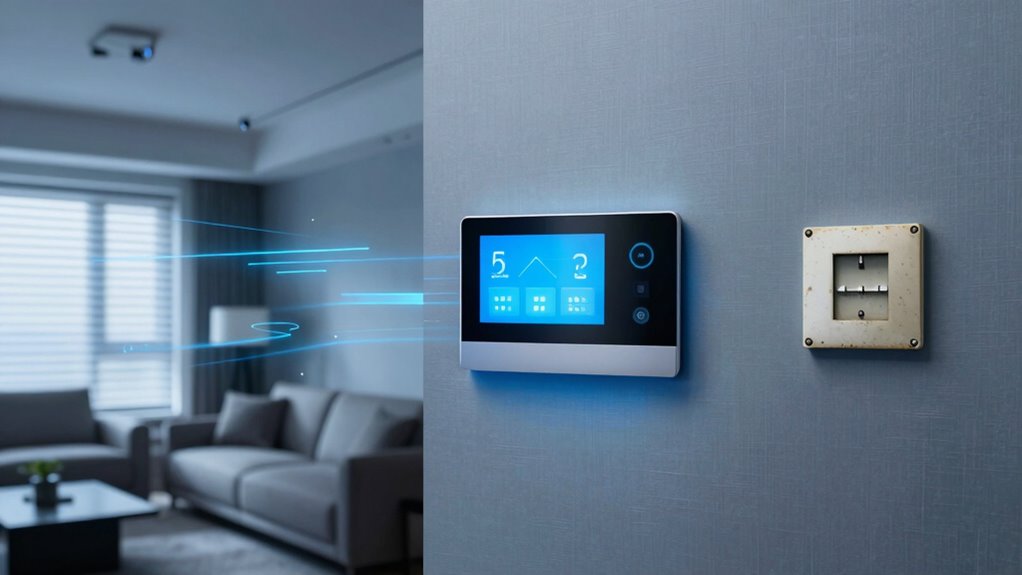
Much like smart irrigation systems that adapt to real-time conditions to prevent waste, Meta is now pivoting its resources to more fertile ground in AI development.
With potential layoffs looming in Reality Labs by 2026, one thing’s clear—Meta’s not building the metaverse anymore. They’re burying it. And investors? They’re toasting with champagne over the $70 billion funeral.
References
- https://247wallst.com/investing/2025/12/04/4-years-after-going-all-in-meta-platforms-is-finally-ditching-the-metaverse/
- https://themartechweekly.com/abandoning-the-metaverse/
- https://www.reworked.co/digital-workplace/investors-backed-away-from-the-metaverse-in-2023-but-its-not-goodbye-yet/
- https://www.youtube.com/watch?v=HjmYswQdtdE
- https://www.honest-broker.com/p/is-facebooks-metaverse-turning-into
- https://www.adotat.com/2023/03/why-mark-zuckerberg-abandoned-the-metaverse-for-ai-and-why-you-should-care/