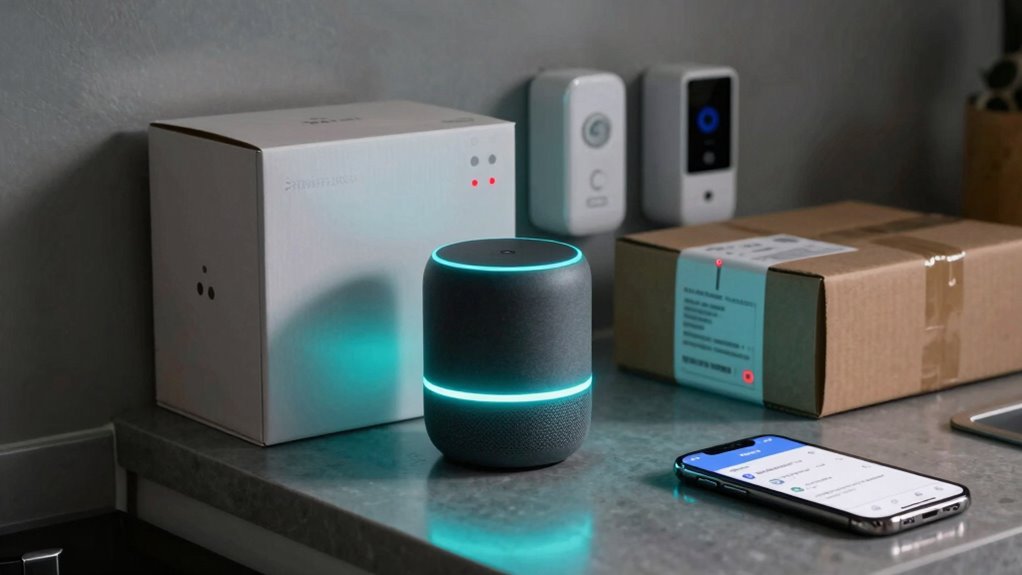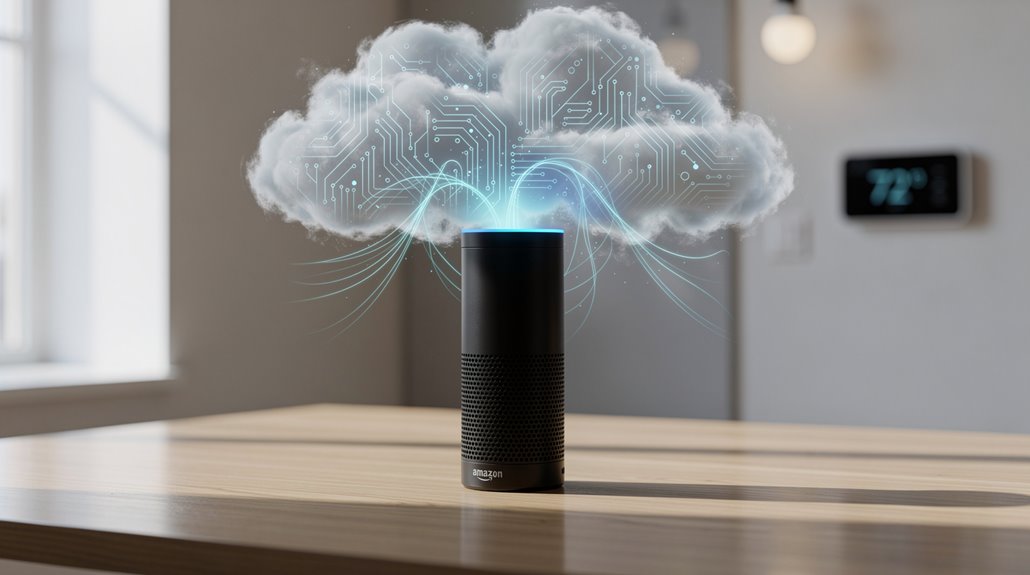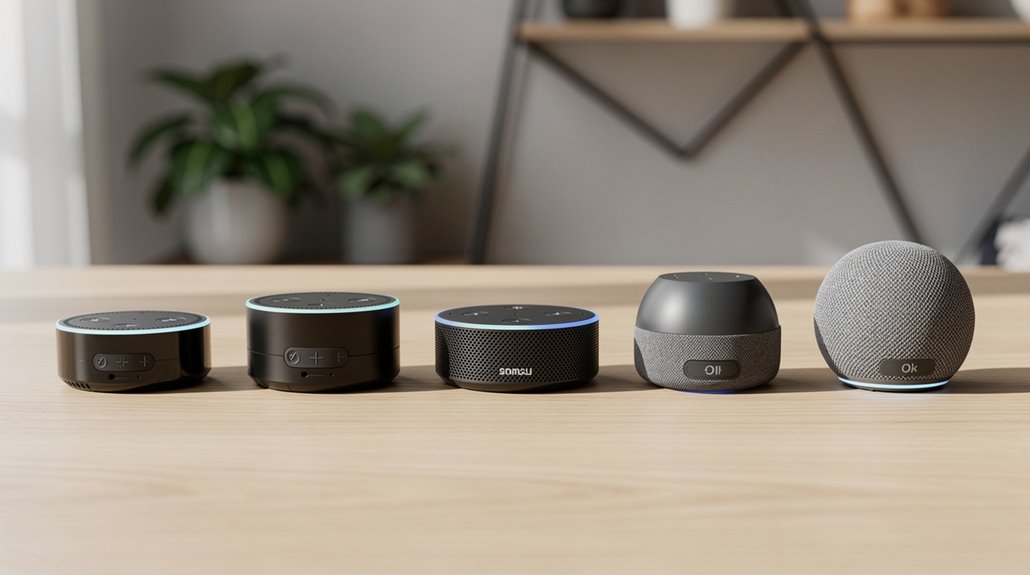
Determining your Echo Dot’s generation demands a forensic examination of minuscule adjustments—first generation’s awkward 1.5-inch plastic disc futilely attempting purpose; second gen’s matte shell and extra buttons, as if that masks stagnation; third gen’s fabric mesh and side speakers feebly shouting “improvement”; the identical fourth gen offering déjà vu with stale design; and fifth gen’s spherical “innovation” sans aux jack but with gimmicky temperature and motion sensors. Welcome to Amazon’s masterclass in cosmetic deception; unraveling its secrets reveals even more absurdity.
In an era where tech companies treat product iteration like an annual gladiator match, Amazon’s Echo Dot saga offers a masterclass in consumer bewilderment masquerading as innovation. The first generation, a squat little cylinder standing 1.5 inches tall and 3.3 inches in diameter, was simple enough to digest—plastic or metal, glossy or matte, with a speaker confined dispiritingly to the top edge. It came barely accessorized, two buttons and a 3.5mm audio jack acting as the sole tactile interface. If it were a gladiator, it would be the rookie unsure if the sword’s meant for thrust or parade.
Fast forward to the second generation, and Amazon decided subtlety was for suckers. Maintaining roughly the same dimensions with a shaved height to 1.3 inches, it sharpened edges and swapped in a matte plastic shell, as if buffing its dullness would mask the soul-sapping sameness. The button count expanded—a blessing and a curse—adding dedicated volume controls, an “Action” button, and mute functionality, which was at least useful in avoiding audible shame. Echo Spatial Perception (ESP), a techy buzzword, was the lone sensor addition, because apparently, hearing the other Echo across the room was a pinnacle achievement. This generation was officially launched in October 2016, making it the first to improve voice recognition over its predecessor with Echo Spatial Perception.
Second-gen Echo Dot: sharper edges, more buttons, and tech bravado with Echo Spatial Perception—hearing other Echos like a peak feat.
Then the third generation arrived, cloaked in high aspirations and fabric mesh, inflating modestly to 1.7 inches tall and 3.7 inches in diameter. This design pivot sought to rebrand the device from a plastic hockey puck to something less inscrutable. The speaker migrated to a concealed side placement, trading top-volume for stealth—mercifully boosting audio quality with a 1.6-inch driver. The 3.5mm jack clung on like a nostalgic relic amid creeping wireless ambitions, while button icons simplified in a futile attempt at aesthetic enlightenment. For those struggling to identify this model, the fabric-covered design and four buttons on top are telltale signs of the third-generation Echo Dot.
The fourth generation, a largely uninspired sequel, clung doggedly to the third’s blueprint, shunning new sensor tech and preserving the status quo under its fabric shroud. But with the fifth generation, Amazon revealed what it must have thought was the future: a more spherical silhouette pushing 3.9 inches in diameter and shedding the auxiliary audio jack like a forgotten curse. This iteration did splurge on adding a temperature sensor and ultrasonic motion detection for “smart” home magic, though the practical payoff remains as elusive as common sense in corporate product strategies.
Button controls, now teamed with accelerometer taps, suggest desperate attempts to distract users from fundamental design inconsistencies.
Decoding your Echo Dot’s age, then, amounts to a diligent forensic examination of shape, shell, and sensor baubles—because Amazon’s relentless quest for the next “innovation” often seems less about utility and more about keeping consumers perennially confused yet tethered. In the gross theatre of annual reinvention, recognizing your Echo is a small victory against a well-oiled machine dedicated to marketing incremental musk as revolutionary scents.
Frequently Asked Questions
Can I Use Multiple Echo Dots in One Home?
Multiple Echo Dots can be used within one home, allowing synchronized music playback and multi-room audio. They function seamlessly together, offering voice control flexibility across spaces and enhancing smart home convenience through interconnected device capabilities.
Do Echo Dots Require a Subscription for Alexa?
Echo Dots do not require a subscription for Alexa’s basic features, which remain free after purchase. Users need only a free Amazon account and Wi-Fi. Subscription services, offering advanced features, are optional and separate from device ownership.
How Do I Reset My Echo Dot to Factory Settings?
To reset an Echo Dot, hold the “Microphone Off” and “Volume Down” buttons for 20 seconds on newer models; use a paperclip to press the reset button on the first generation. The orange light signals completion.
Are Echo Dots Compatible With Smart Home Devices?
Echo Dots are compatible with many smart home devices via Wi-Fi, Bluetooth, and the Matter protocol. However, they lack built-in Zigbee and Thread border router functions, limiting direct connection to certain smart device ecosystems.
Can I Connect My Echo Dot to Bluetooth Speakers?
Yes, the Echo Dot can connect to Bluetooth speakers. It pairs via the Alexa app or voice commands, allowing streaming audio to external speakers, managing multiple connections, and ensuring stable connections within a close proximity for enhanced sound quality.
References
- https://www.tomsguide.com/face-off/amazon-echo-dot-3-vs-4
- https://moderncastle.com/smart-home/amazon-echo-dot-3rd-generation-review/
- https://en.wikipedia.org/wiki/Amazon_Echo
- https://www.youtube.com/watch?v=f55s3lbkwfI
- https://www.pocket-lint.com/amazon-echo-vs-echo-2-vs-echo-plus-vs-echo-tap-vs-echo-dot-vs-echo-show-vs-echo-spot/
- https://www.gearbrain.com/amazon-echo-vs-echo-dot-2650175621.html
- https://www.techfinitive.com/explainers/which-amazon-echo-do-i-have/
- https://www.pocket-lint.com/amazon-echo-dot-5-gen-vs-echo-dot-4-gen/
- https://www.ifixit.com/Device/Amazon_Echo_Dot
- https://www.youtube.com/watch?v=L6Wa2Q5In_E