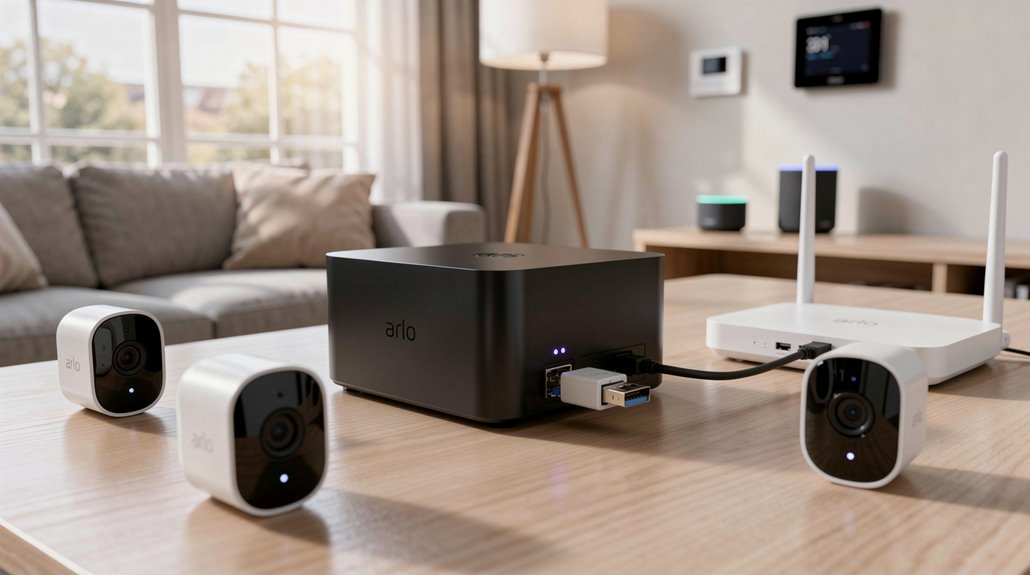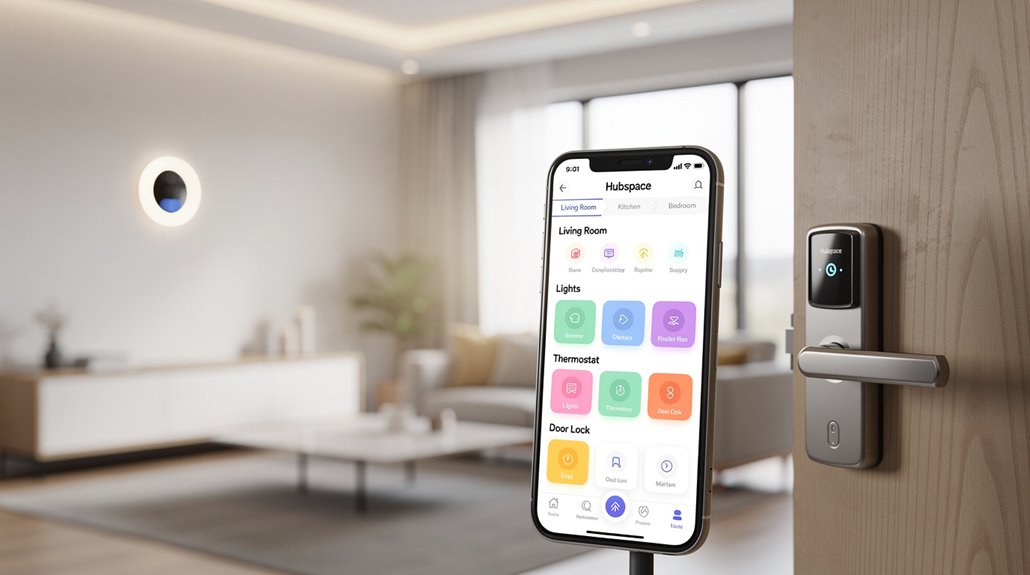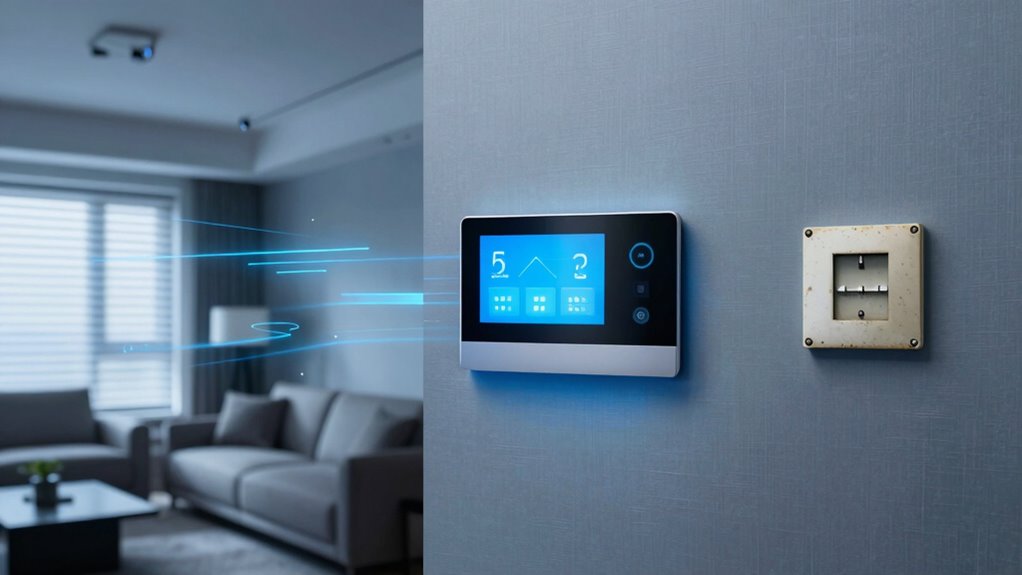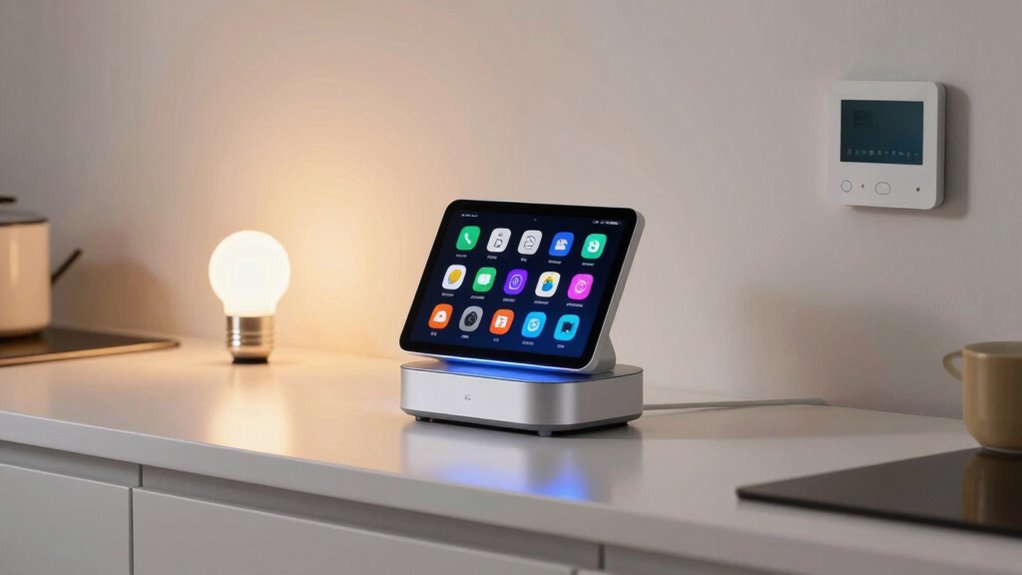

As concerns escalate regarding cloud lock-in, data harvesting, and non-transparent terms of service within vendor ecosystems, there is a growing shift toward local, vendor-neutral smart home control solutions that eliminate reliance on proprietary hubs. This migration is driven primarily by the desire to circumvent restrictive single-vendor compatibility in proprietary ecosystems, which often limit both device selection and upgrade pathways.
By adopting open, hardware-agnostic control platforms, users achieve reduced total cost of ownership through the utilization of commodity hardware—such as Raspberry Pi units, mini-PCs, or network-attached storage devices—instead of specialized closed gateways. Additionally, local, cloud-independent control architectures enhance operational latency and reliability, guaranteeing continuous automation execution despite internet outages, and diminish obsolescence risks linked to discontinued manufacturer cloud services or hubs. The importance of open source software cannot be overstated, as it ensures transparency in device communication and strengthens security and privacy protections. One prominent example of such a solution is openHAB, a vendor and technology agnostic open source automation platform that enables seamless integration across hundreds of technologies.
Open, hardware-agnostic platforms lower costs and ensure reliable, local control beyond proprietary cloud dependencies.
Open source platforms constitute the backbone of this vendor-neutral control paradigm. Leading systems, including Home Assistant, openHAB, Domoticz, and Node-RED, collectively support an extensive range of protocols and devices—Home Assistant alone integrates thousands—emphasizing local execution, privacy preservation, and flexible automation frameworks.
These platforms maintain vendor and technology agnosticism, offering rich ecosystems that facilitate complex device orchestration without dependency on singular hub products. Additional open-source controllers, such as Calaos, MisterHouse, and Jeedom, broaden the spectrum of available non-proprietary control solutions, enhancing user choice and system adaptability. Unlike Amazon’s Echo ecosystem with over 100,000 compatible devices, these platforms focus on protocol diversity rather than being locked into a single manufacturer’s compatibility list.
The hardware strategy underpinning these platforms is predicated on run-anywhere controllers deployable on multiple general-purpose computing devices, including x86 servers and single-board computers. Integration with containerization technologies like Docker and virtualization further simplifies hardware migration and scaling, enabling users to expand from minimal installations to multi-node, high-availability configurations within home labs.
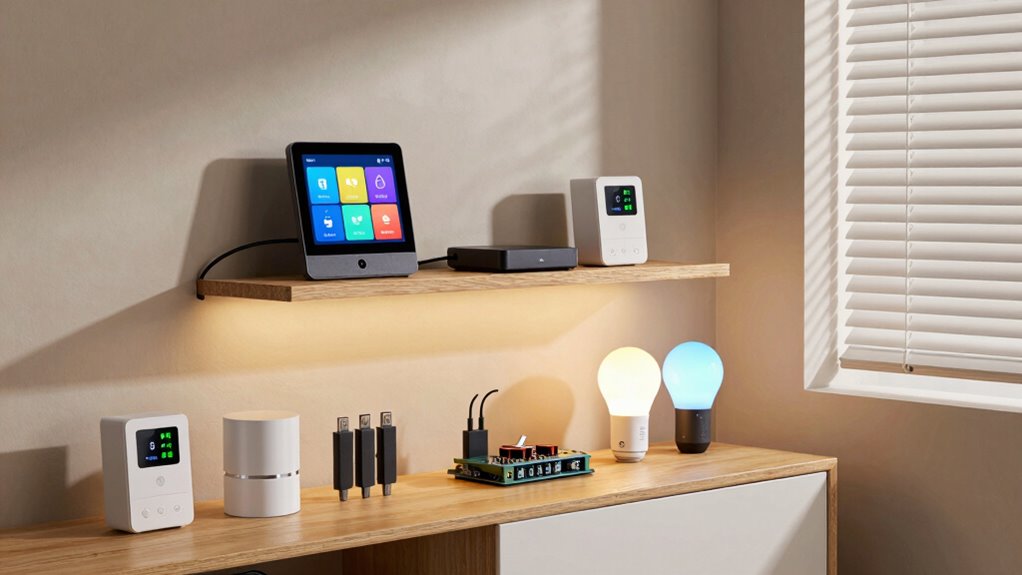
Local radios—USB adapters for Zigbee, Z-Wave, Thread, and 433 MHz—replace proprietary base stations, preserving multi-vendor device support while avoiding centralized points of commercial failure, as control logic resides on user-owned hardware platforms.
Architecturally, these solutions embrace a local-first, cloud-optional model in which core system functions operate entirely offline; cloud connectivity caters solely to auxiliary features like remote access or voice assistant integration. Communication protocols such as MQTT, HTTP APIs, and WebSocket facilitate direct LAN-based device management and custom integrations without exposure to vendor cloud dependencies.
On-device automation execution, exemplified by ESPHome microcontrollers, ensures uninterrupted functionality independent of external services. Local data logging and dashboards consolidate telemetry, scene control, and energy consumption metrics, thereby maintaining data sovereignty by avoiding third-party transmission.
Cloud service bridges—including Google Assistant, Alexa, and IFTTT—are selectively employed and strictly audited, minimizing privacy and security vulnerabilities inherent in proprietary ecosystems.
References
- https://opensource.com/tools/home-automation
- https://www.openhab.org
- https://www.linuxjournal.com/content/ubuntu-home-automation-building-smart-living-space-open-source-tools
- https://esphome.io
- https://cedia.org/en-us/homeowners/knowledge/best-open-source-smart-home-tools/
- https://www.home-assistant.io
- https://www.eufy.com/blogs/home/open-source-smart-home
- https://en.wikipedia.org/wiki/List_of_home_automation_software
- https://www.youtube.com/watch?v=S71LpeMUrYg