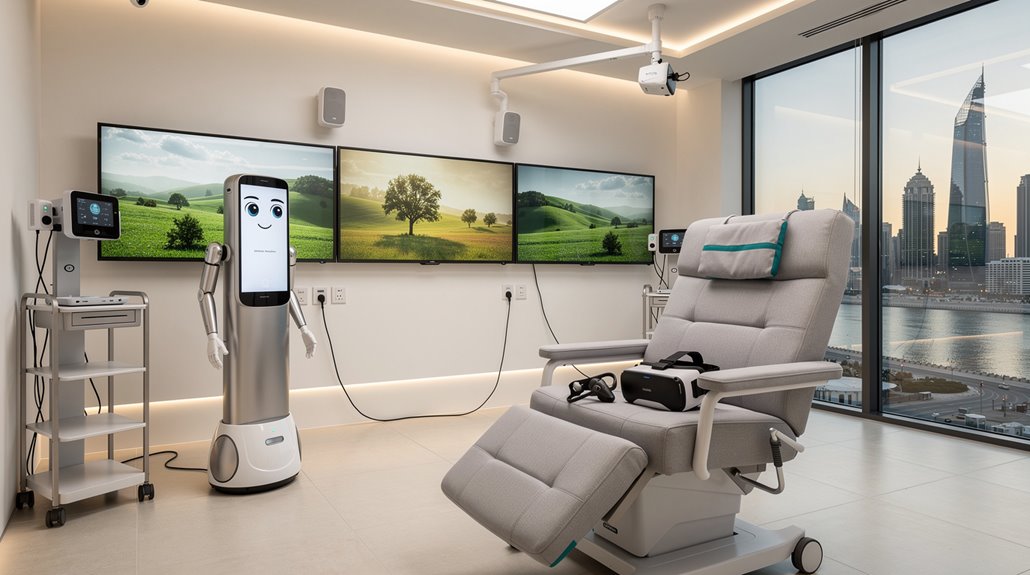
VR exposure therapy for adolescents and young adults with social anxiety enables practice of challenging social situations without leaving clinical environments.
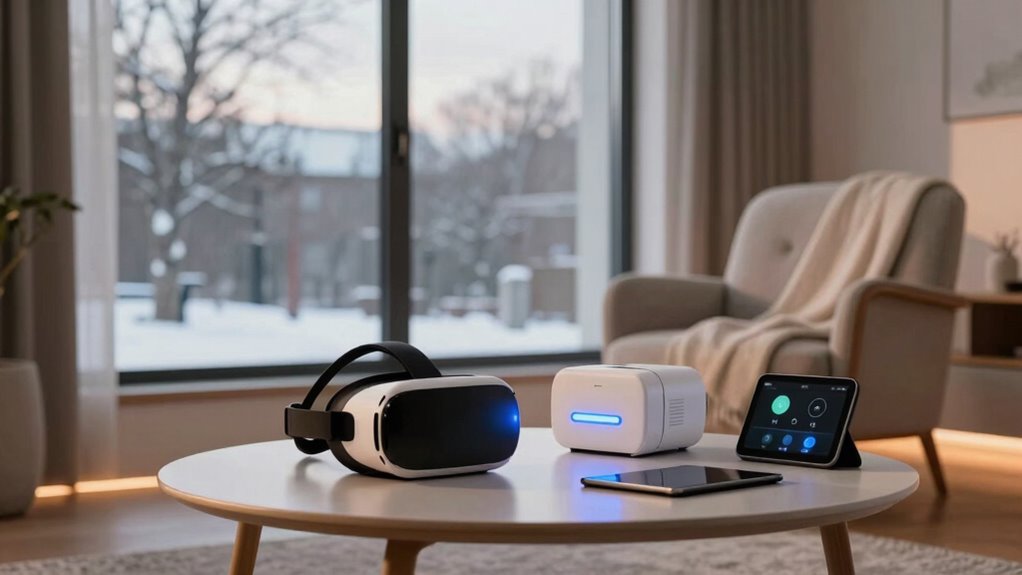
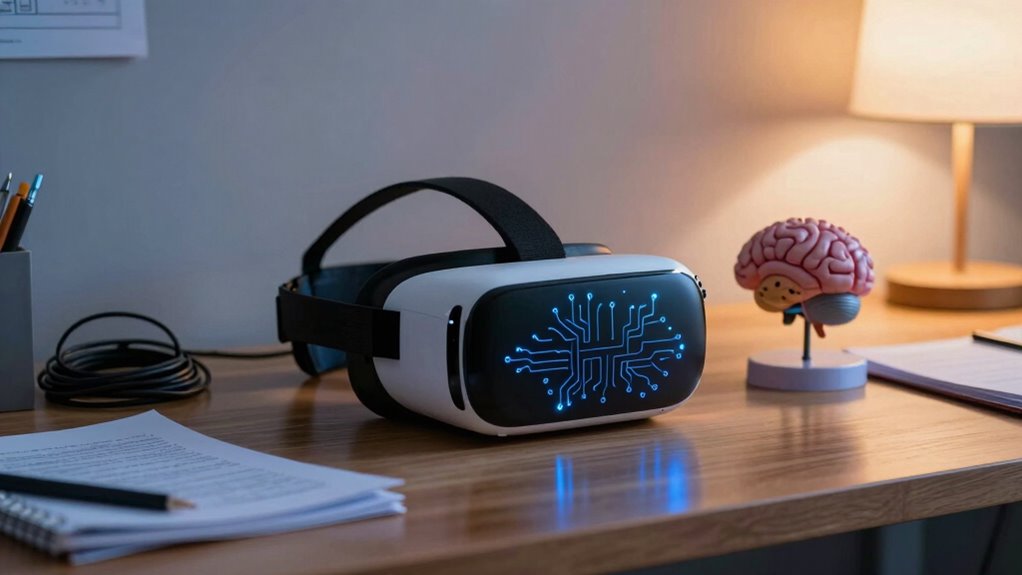
The technology has demonstrated decades of safe and effective application in adult anxiety disorders, with stable therapeutic effects maintained at four to six years follow-up in youth and adult populations treated for specific phobias and social anxiety presentations. As technology advances, therapeutic VR systems may benefit from integration with personal assistant robots that could help guide patients through treatment protocols at home. VR delivers immersive environments through head-mounted displays, headphones, and sensors that track eye movement and position. Studies of nature-based VR interventions found that partly open green environments produced the largest reduction in negative mood among college students compared to other virtual settings including blue, gray, and closed green environments.
References
- https://pmc.ncbi.nlm.nih.gov/articles/PMC11904249/
- https://pmc.ncbi.nlm.nih.gov/articles/PMC9804813/
- https://www.columbiapsychiatry.org/news/virtual-reality-can-help-teens-and-young-adults-social-anxiety
- https://mental.jmir.org/2024/1/e52186/
- https://www.researchprotocols.org/2025/1/e63098
- https://med.stanford.edu/news/all-news/2017/09/virtual-reality-alleviates-pain-anxiety-for-pediatric-patients.html
- https://www.nature.com/articles/s41599-025-04528-1