MIT’s Extensive Resources Facilitate Development of Award-Winning VR Prototype by Teen Innovator
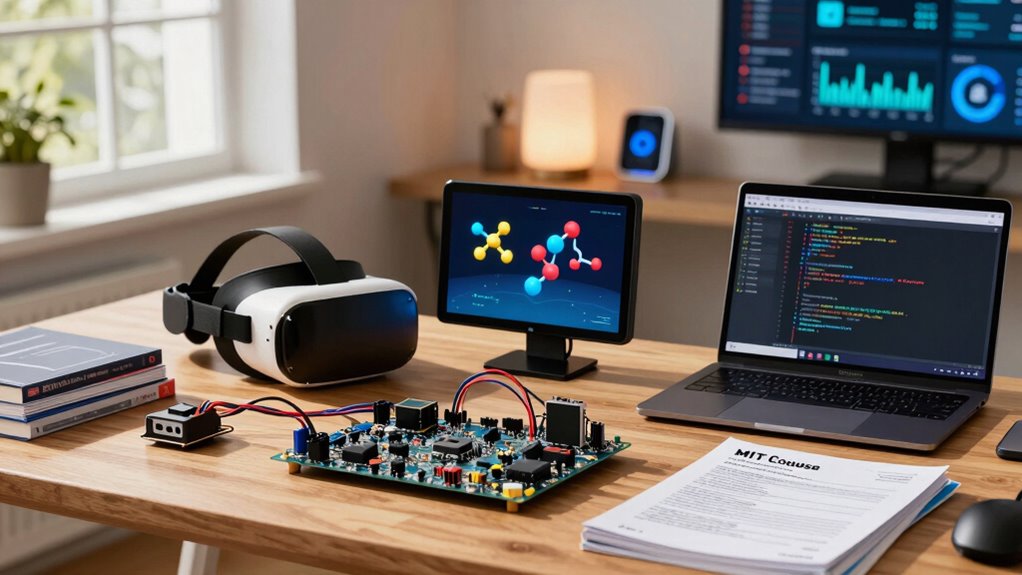
A teenager from a small town utilized MIT’s free educational platforms to develop a virtual reality prototype recognized for its innovative approach to learning, which challenges conventional educational methodologies. Beginning with MIT OpenCourseWare in 2018, the student engaged with thorough computer-based learning tools despite limited local resources. At age 15, enrollment in the Qubit by Qubit quantum computing course augmented foundational knowledge, enabling the integration of complex computational concepts into the prototype’s design. This trajectory demonstrates the capacity of open-access MIT resources to foster advanced technical development outside traditional academic settings. The collaboration opportunities and interdisciplinary environment provided by the MIT Center for Advanced Virtuality further enriched the development process by connecting the teen with experts and cutting-edge XR technology.
Thorough Online Curricula Empower Technical Mastery
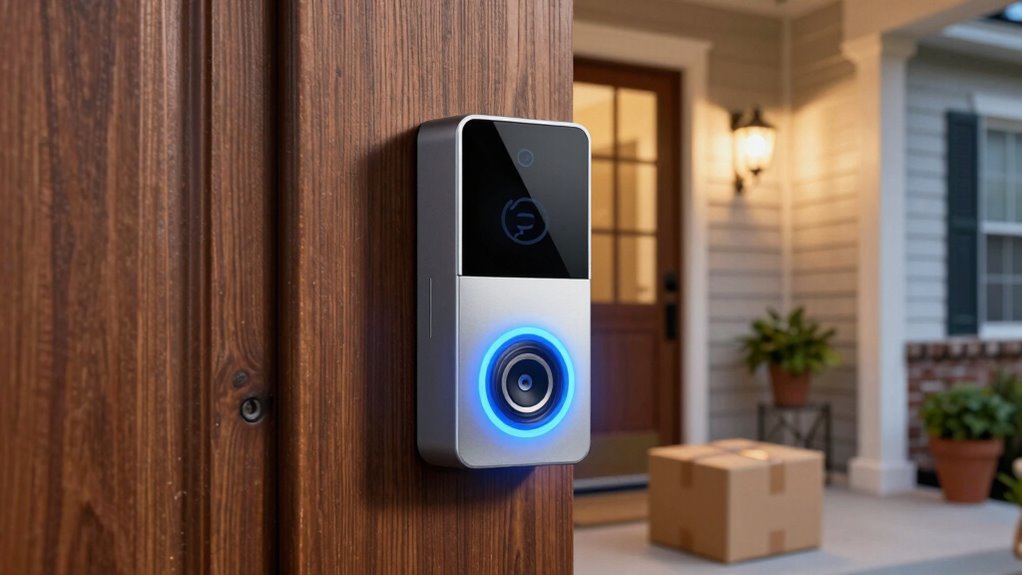
MIT OpenCourseWare offers an extensive catalog of over 2,500 undergraduate and graduate-level courses, encompassing essential disciplines such as electrical engineering, computer science, linear algebra, calculus, and quantum physics. The availability of introductory courses like 6.002 Circuits and Electronics and 6.01SC Introduction to Electrical Engineering and Computer Science facilitated the teen’s practical comprehension of circuit theory, electronic components, and system modulation. This knowledge base directly informed the technical specifications of the VR prototype, enabling the implementation of sophisticated hardware and software interactions fundamental to immersive learning experiences. Much like selecting a home security system requires consideration of video resolution and smart features, developing VR prototypes demands careful attention to visual clarity and interactive capabilities for optimal educational outcomes.
Advanced AR/VR Research and Facilities Support Applications in Education
MIT’s leadership in augmented, virtual, and mixed reality technologies, particularly within the Mechanical Engineering department directed by Dr. John Liu, underscores a commitment to enhancing design and manufacturing education through multi-sensory XR simulations. Facilities like the Micro/Nano Engineering Laboratory provide experiential learning environments that improve psychomotor skills and conceptual grasp.
Complementary centers, including the Center for Advanced Virtuality and Virtuality Innovation Studio, furnish critical infrastructure, equipment, and collaborative spaces which likely influenced the development process of the award-winning prototype by advancing iterative design and XR pedagogy research.
Collaborative and Scalable XR Educational Initiatives Demonstrate Broad Application
Projects such as Collaborative Learning Environments in Virtual Reality (CLEVR), producing educational tools like the Cellverse game, exemplify MIT’s approach to integrating spatial cognition and collaborative learning within VR platforms. Supported by partnerships with entities such as the Education Arcade, MIT Game Lab, and Oculus, these initiatives highlight the strategic utilization of XR to transform pedagogical models.
Additional resources, including AR applications for product teardowns integrated into edX courses like 2.008x, underline MIT’s focus on scalable, evidence-based immersive education. This ecosystem of open-access knowledge, experimental labs, and applied research catalyzes breakthroughs epitomized by the teen innovator‘s award-winning VR prototype.
References
- https://www.youtube.com/watch?v=zr7kCQI005A
- https://virtuality.mit.edu
- https://education.mit.edu/project/clevr/
- https://news.mit.edu/2025/teen-builds-vr-prototype-thanks-to-mit-opencourseware-1217
- https://nanousers.mit.edu/immersion-lab-application-areas/experiential-learning-and-teaching
- https://openlearning.mit.edu
- https://direct.mit.edu/pvar