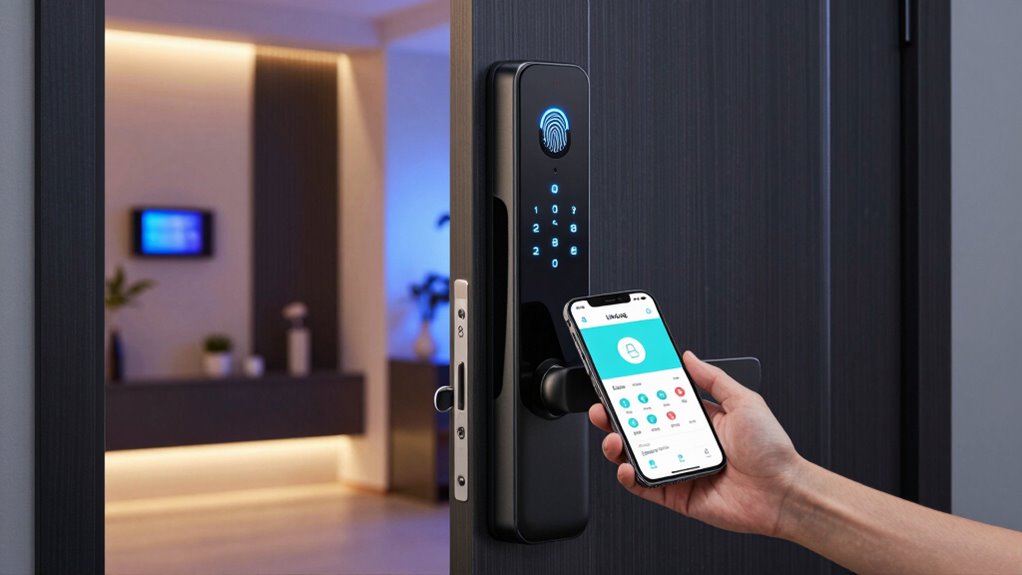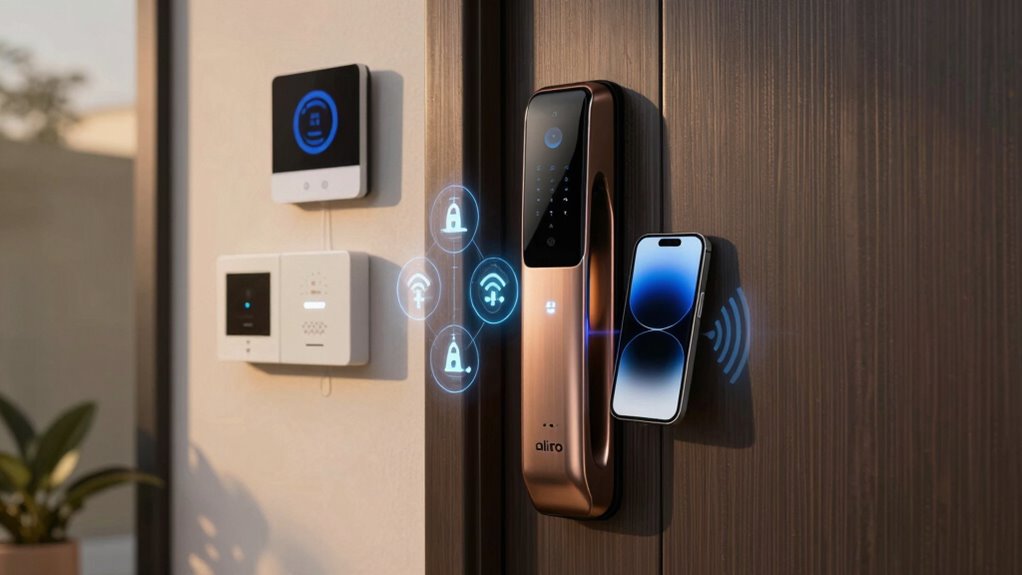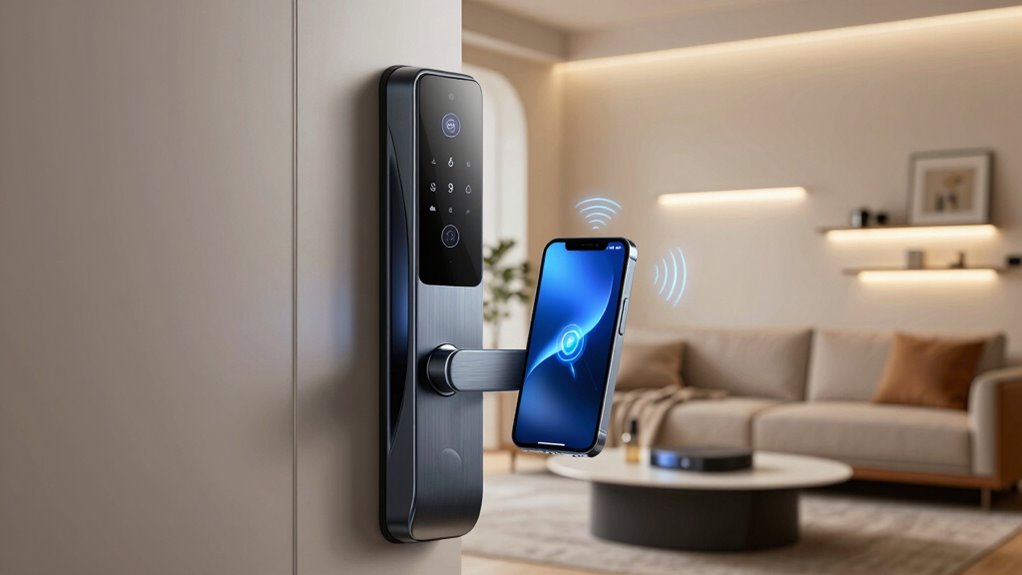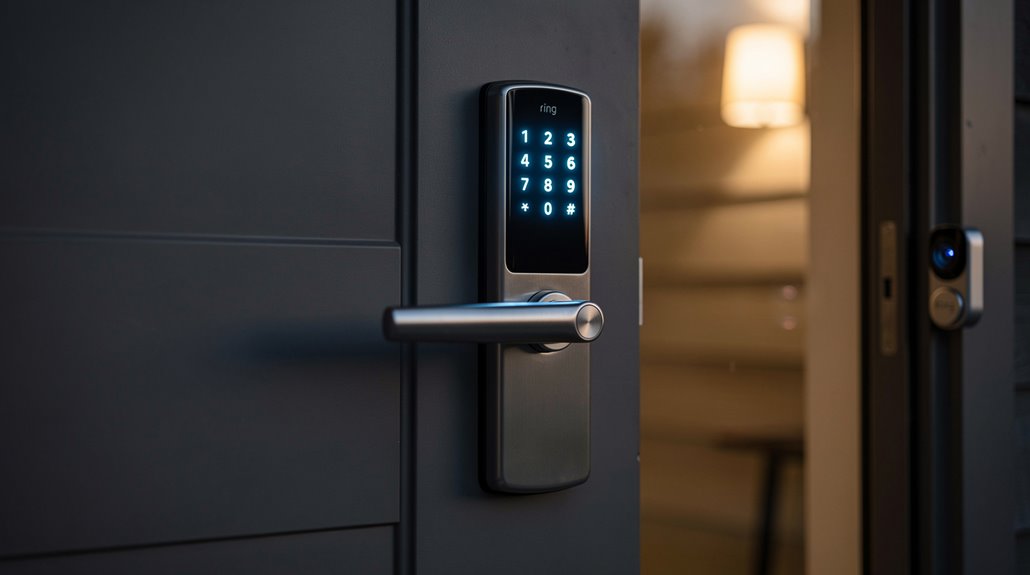
Door locks that “work” with Ring—Schlage Encode’s WiFi facade, Yale Real Living’s Z-Wave smoke-and-mirrors, Kwikset SmartCode 888’s budget charm offensives, plus August Smart Lock Pro and Danalock V3’s hollow promises of digital sovereignty—all hinge on fragile apps and server gods who hold your home’s keys hostage. Convenience, meet Orwellian tech theater; security, meet laughable trust exercises. If you think remote locking means true safety, keep going to uncover just how deep this rabbit hole of false security really goes.
Though it might seem ridiculously quaint to entrust one’s front door security to a slew of gadgetry—because, naturally, the digital age has blessed us with smart locks masquerading as salvation—Ring’s ecosystem attempts to shepherd the naïve into a false sense of safety.
Consider the Schlage Encode, a device flaunting built-in WiFi for remote lock-fiddling sans additional hubs, as if removing all physical barriers automatically transmutes digital breaches into mere folklore. This lock’s auto-lock feature is the technological equivalent of checking your umbrella after the flood—sure, it locks itself, but good luck when the app’s servers go on a coffee break. Its compatibility with the Ring app allows users to control the lock remotely, adding a layer of convenience remote access. Integration with Ring Alarm requires the Base Station, ensuring that all smart locks communicate securely within Ring’s security ecosystem (Ring Alarm required).
Then there’s the Yale Real Living Assure SL, a Z-Wave darling designed to talk sweetly to Ring Alarm systems while boasting a backlit keypad, because darkness surely encourages criminal activity to pause for a light snack and Instagram filter. The Yale’s touchscreen eliminates keys so you can punch codes like a casino slot machine, all within an ecosystem that pretends Alexa and Google are trustworthy gatekeepers rather than secret agents of entropy.
Budget-conscious skeptics might lean toward the Kwikset SmartCode 888, a Z-Wave gadget that promises affordable security with customizable PINs—because nothing says “safe” like 0000 or 1234, endlessly recycled in user guides and hacker classrooms alike.
The August Smart Lock Pro takes an elitist bow for preserving your original deadbolt while weaving in WiFi, Bluetooth, and DoorSense tech, ironically requiring more transparency to trust less.
Danalock V3, compact and stylish, flaunts permissions customizable like a nightclub’s velvet rope, allowing remote control that’s probably more useful to burglars than homeowners. Ring’s platform supports over 35 Z-Wave locks that play nicely with its ecosystem, creating an illusion of choice in the digital security marketplace.
All these marvels nod to the Z-Wave protocol with its sexy S2 encryption, secured only if you possess the ever-so-essential Ring Alarm Base Station, transforming your home into a digital serfdom.
Sharing PINs with friends and family? Cute, until your “free pairing” includes hackers who look just like your loved ones on their screens.
Frequently Asked Questions
Can Ring Door Locks Be Integrated With Home Automation Systems?
Ring door locks integrate with home automation systems via the Ring Alarm Base Station as a Z-Wave controller. They support Alexa voice control, Home Assistant automation, and Google Home through third-party software, enabling seamless remote and automated lock management.
What Battery Life Can I Expect From Ring-Compatible Door Locks?
Ring-compatible door locks typically offer battery life ranging from six months to one year, depending on usage frequency, motor activation, and environmental factors. Rechargeable lithium-ion batteries enhance longevity, while heavy use and extreme temperatures reduce overall performance.
Are Ring Door Locks Compatible With Alexa or Google Assistant?
Ring door locks are compatible with Alexa, enabling voice control and routine integration via the Ring Skill. However, there is no documented support for Google Assistant compatibility, requiring verification from Ring or Google for current status updates.
How Secure Are the Wireless Connections on Ring Door Locks?
The wireless connections on Ring door locks are highly secure, employing encrypted protocols for communication, multiple connectivity options like WiFi, Bluetooth, and Z-Wave, and integration with established smart home ecosystems to guarantee robust reliability and protection.
Can Multiple Users Have Separate Access Codes on Ring Door Locks?
Multiple users can have separate access codes on Ring door locks, with support for up to 256 unique four-digit codes. These codes enable individual access control, user accountability, and monitoring within the integrated Ring alarm and lock system.
References
- https://keyzoo.com/blogs/top-5-door-locks-that-work-with-ring-
- https://ring.com/support/articles/f7ed2/Integrating-Works-With-Ring-Door-Locks-with-Your-Ring-Alarm
- https://www.bestbuy.com/site/searchpage.jsp?_dyncharset=UTF-8&browsedCategory=pcmcat308100050017&id=pcat17071&iht=n&ks=960&list=y&qp=iotplatformcompatibility_facet=name~Ring^features_facet=Features~App+Compatible&sc=Global&st=categoryid$pcmcat308100050017&type=page&usc=All+Categories
- https://www.homedepot.com/b/Smart-Home-Smart-Devices-Smart-Home-Security-Smart-Locks/Ring/N-5yc1vZc7byZ1z1ayxp
- https://ring.com/support/articles/6hf9b/Works-With-Ring-Locks-Compatible-With-Ring-Alarm
- https://shopyalehome.com/collections/ring
- https://www.gokeyless.com/collections/works-with-ring
- https://www.home-assistant.io/integrations/ring/
- https://www.youtube.com/watch?v=RoM_I4DlYhk
- https://www.safehome.org/doorbell-cameras/ring/automation/