Although cognitive impairment in multiple sclerosis (MS) substantially disrupts attention, processing speed, working memory, visuospatial abilities, and executive control—thereby affecting daily functioning and quality of life—existing pharmacologic treatments provide limited cognitive benefits, necessitating alternative rehabilitative strategies. Cognitive impairment is present in up to two-thirds of people with MS, impacting employment, independence, and quality of life (Benedict et al., 2020).
A significant proportion of individuals with MS experience multifaceted cognitive dysfunction that detrimentally influences employment outcomes and everyday activities. CI prevalence ranges from 40% to 82% among people with MS, highlighting the widespread nature of this challenge.
Disease-modifying therapies and symptomatic pharmacologic interventions, despite their advances, have demonstrated inconsistent or minimal efficacy in improving cognitive outcomes, positioning rehabilitation as the primary therapeutic modality.
Prior investigations into standalone cognitive training, noninvasive brain stimulation, or virtual reality (VR)-based interventions have yielded mixed and generally modest improvements, underscoring the critical unmet need for more effective approaches.
Innovative trials combining neuromodulation with immersive rehabilitation platforms represent an emergent paradigm aimed at leveraging neuroplasticity for durable cognitive enhancement.
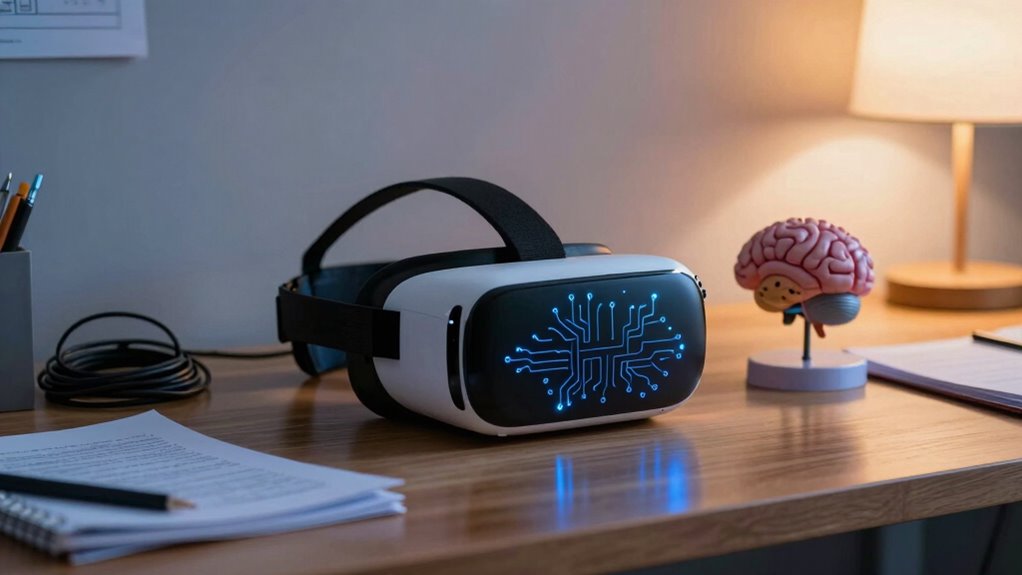
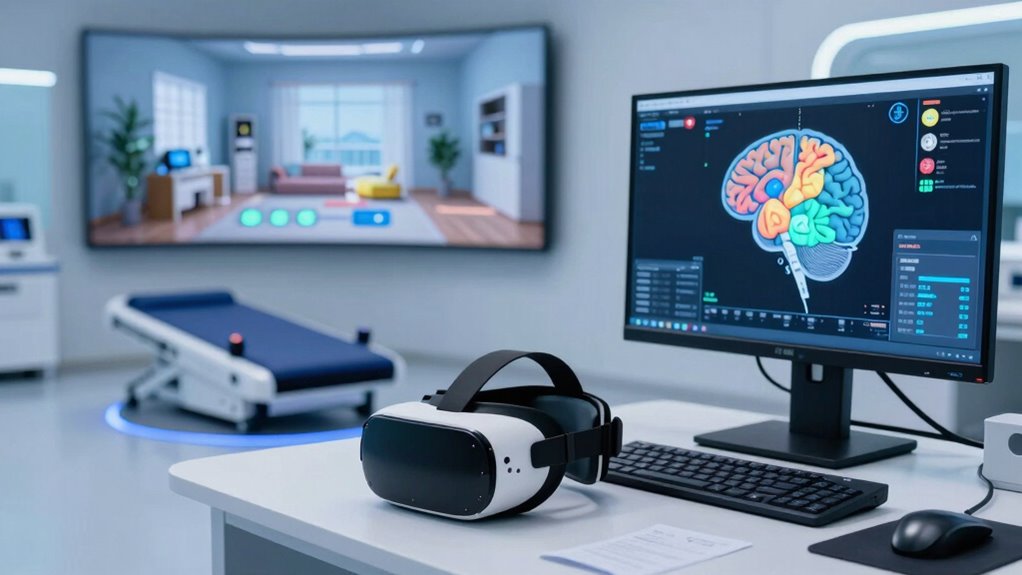
A recent randomized, double-blind, sham-controlled trial evaluates the efficacy of anodal transcranial direct current stimulation (A‑tDCS) applied over the left dorsolateral prefrontal cortex (DLPFC) concurrent with VR exergame cognitive rehabilitation in a sample of 80 adults with MS exhibiting confirmed cognitive deficits.
The intervention comprises a rigorous 2-week protocol delivering 10 sessions of one hour each, administered five days per week.
Participants randomized to the experimental arm receive real A‑tDCS during each VR session, whereas controls undergo sham stimulation with identical procedures.
The design incorporates thorough blinding of both subjects and neuropsychological assessors to guarantee methodological integrity.
Outcomes are assessed immediately post-intervention as well as at 1- and 6-month follow-ups to ascertain the persistence of cognitive and functional gains.
The VR exergame platform integrates tailored motor and cognitive tasks with adjustable difficulty, facilitating individualized, task-specific training optimized for participant capability.
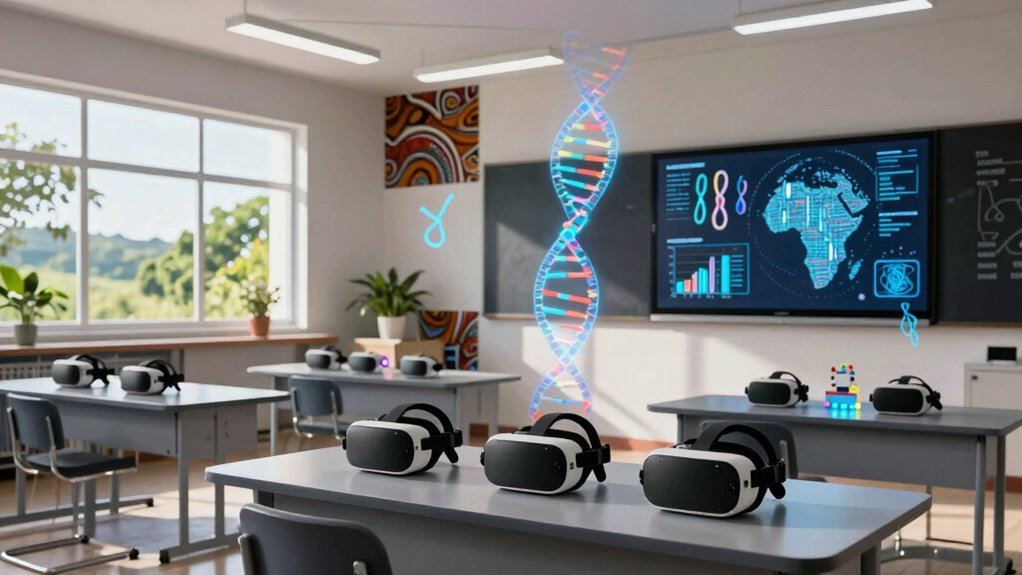
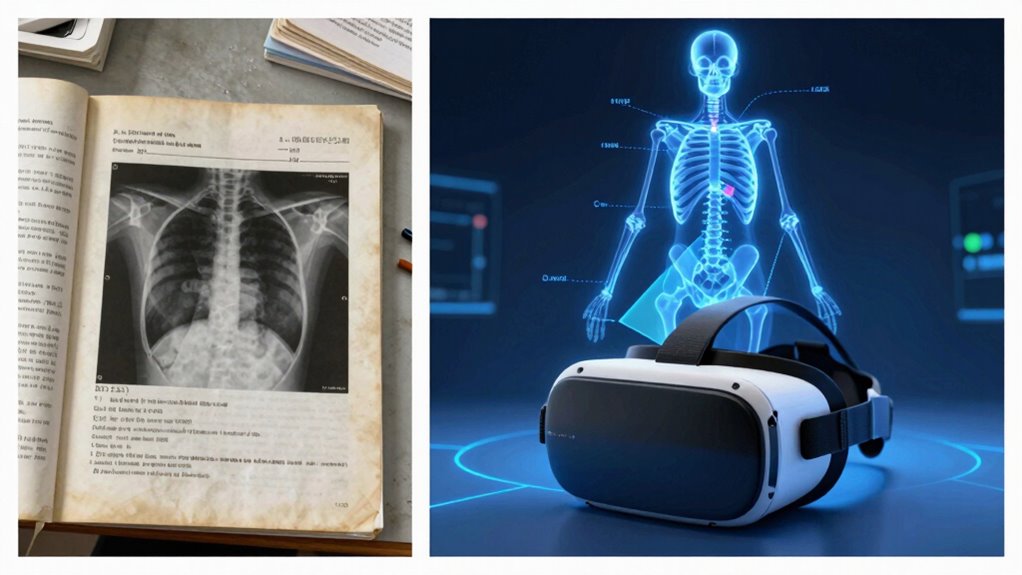
By embedding these exercises in engaging, immersive environments, the system fosters increased motivation and adherence relative to traditional cognitive rehabilitation methods such as repetitive paper-and-pencil or standard computer-based tasks.
Standard neuropsychological tasks often lack resemblance to everyday life, which VR platforms help overcome by providing ecologically valid cognitive assessments (Parsons, 2015).
Similar to how voice-driven control enhances smart home experiences, VR interfaces enable intuitive, natural interactions that reduce cognitive load for MS patients during rehabilitation exercises.
Systematic reviews across neurological populations, including MS, validate VR-based rehabilitation’s capacity to enhance attention, visuospatial processing, executive functions, and information processing speed.
Additionally, VR interventions have demonstrated improvements in balance, postural control, upper-limb function, participation, and quality of life metrics when compared with either no intervention or conventional therapeutic approaches.
References
- https://www.ajmc.com/view/new-protocol-to-study-brain-stimulation-with-virtual-reality-in-ms
- https://pmc.ncbi.nlm.nih.gov/articles/PMC12226833/
- https://www.frontiersin.org/journals/human-neuroscience/articles/10.3389/fnhum.2023.1139316/full
- https://journals.plos.org/plosone/article?id=10.1371/journal.pone.0337405
- https://onlinelibrary.wiley.com/doi/full/10.1155/2024/2020263