As Apple advances its smart home ambitions beyond the decentralized hub model currently distributed across HomePod and Apple TV hardware, newly discovered code-level artifacts embedded within the iOS 26.2 developer beta signal a strategic pivot toward a dedicated command center device designed to serve as the visual and functional centerpiece of the Apple Home ecosystem.
The discovery of a system flag designated “isFirstPartyAccessory” within Home frameworks, positioned alongside existing identifiers such as “isApple” and “isHome” yet unmapped to any current hardware offerings, indicates preparation for an entirely new Apple-manufactured smart home device category that extends beyond the company’s existing product portfolio.
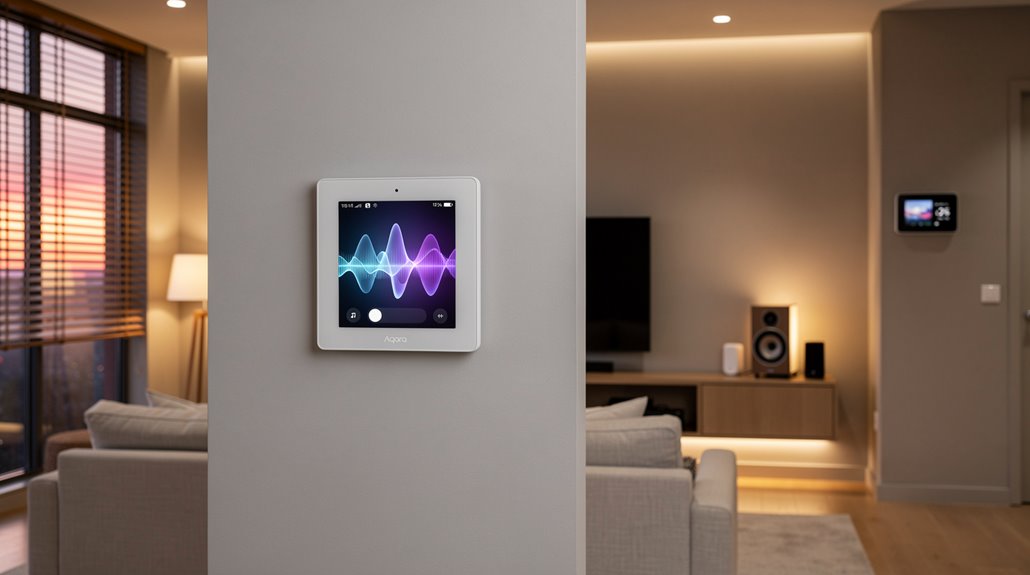
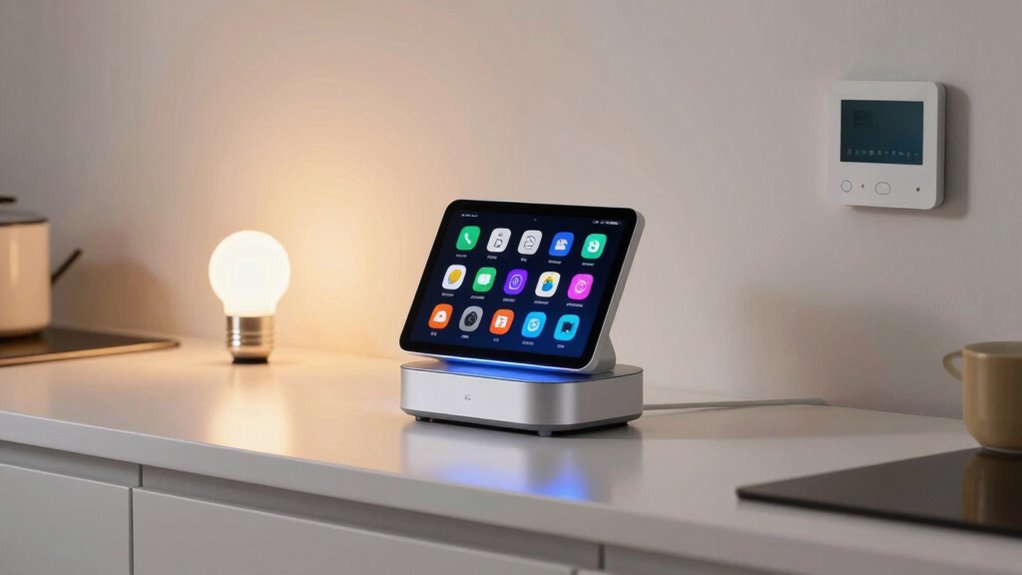
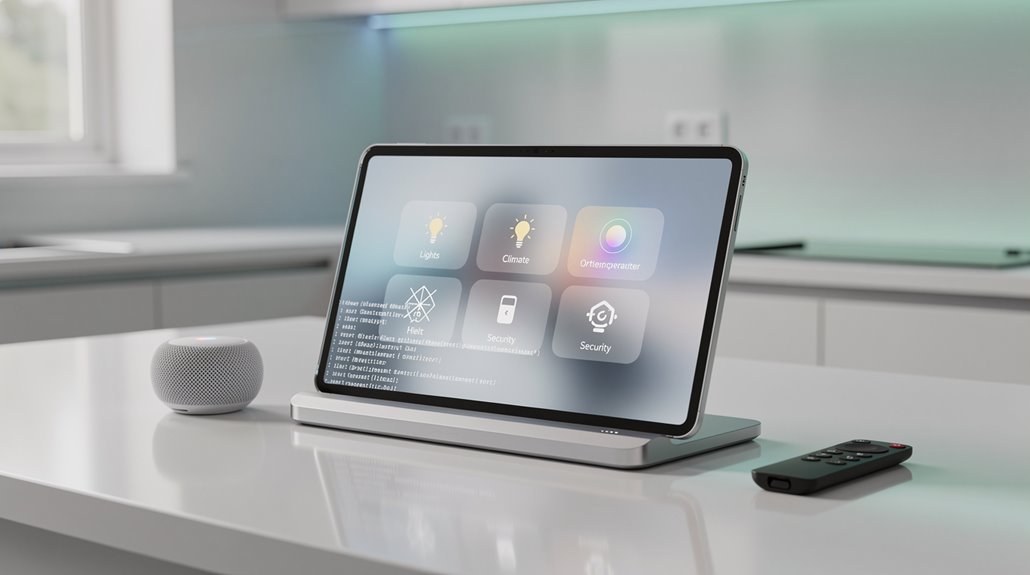
The rumored command center hub represents a fixed smart display engineered to consolidate control over lighting, thermostats, security systems, music playback, communications, calendars, photos, notes, and weather information within a unified interface, positioning the device in direct competition with established category leaders including Google Nest Hub and Amazon Echo Show.
This hardware will reportedly operate on a dedicated operating system distinct from iOS and tvOS, optimized specifically for ambient display functionality and rapid touch-based interactions, eschewing a full App Store implementation in favor of widget-based representations of Apple applications designed for glanceable consumption and immediate task completion.
Integration of proximity and presence sensors enables the hub to detect user approach and automatically switch from passive information display mode to active control mode, with the system capable of distinguishing individual household members to deliver personalized interface configurations and automation triggers, similar to how Amazon’s Echo Show uses Visual ID technology to recognize users and customize on-screen information based on individual preferences.
Hidden code references suggest forward compatibility with additional sensors, cameras, and display surfaces not yet released, aligning with an expanded Apple Home branding strategy tied to Matter protocol support and unified device management frameworks.
The command center strategy centers on enhanced Siri capabilities powered by large language model technology, partially utilizing a Google Gemini-derived model operating within Apple’s Private Cloud Compute infrastructure, enabling deeper application integration and context-aware automation recommendations that leverage presence data to execute room-based adjustments including automatic lighting and temperature modifications upon user entry. The underlying system architecture reflects an iterative model-improvement approach focused on ensuring AI reliability meets the threshold required for security monitoring and home automation functions before broader deployment. Advanced interaction capabilities may incorporate gesture-based control learned from Vision Pro spatial computing technology, enabling users to navigate recipe instructions or adjust smart home settings through hand movements when physical contact with the display surface proves impractical.
References
- https://apple.gadgethacks.com/news/ios-262-reveals-apples-secret-smart-home-hub-plans/
- https://www.macrumors.com/2025/11/05/apple-smart-home-hub-2026-rumors/
- https://appleinsider.com/articles/25/11/05/apples-next-smart-home-gadget-is-already-hiding-in-ios-262
- https://www.youtube.com/watch?v=mKu_Ycirsnc
- https://www.t3.com/tech/iphones/your-iphone-is-set-for-a-major-feature-upgrade-next-week-heres-whats-coming