
Apple’s AirTag pharmacologically infused the consumer paranoia market on April 20, 2021, with pre-orders commencing three days later—because who doesn’t want shiny stainless steel surveillance tethered to their belongings for a mere $29? This petite privacy sacrilege, complete with a U1 chip and anti-stalking smoke screen, epitomizes Silicon Valley’s mastery at cloaking data extraction in benevolent convenience. It’s a cunning trojan horse for Big Tech’s insatiable gaze, promising personal freedom while tightening digital shackles. The saga’s deeper ironies await discovery.
Although the tech titan Apple deigned to grace the world with its long-awaited AirTag on April 20, 2021, this marvel of modern surveillance masquerading as convenience was simply another cog in the insidious Find My machinery, cleverly pitched as a fortress of privacy while subtly hoarding user location like an overzealous librarian with a penchant for stalking.
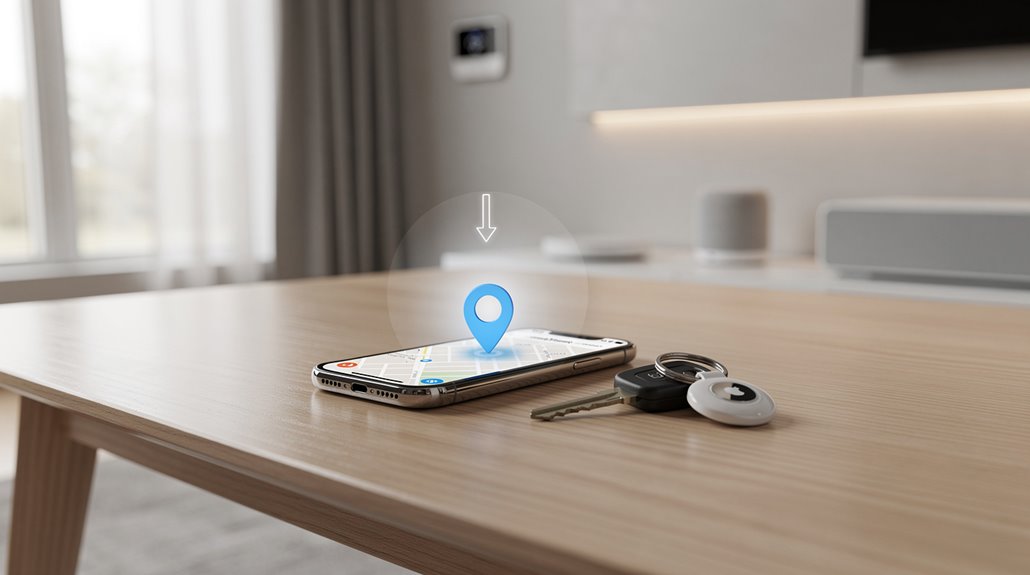
The device made its grand debut via a pristine press release from Cupertino, California, that spun a yarn of private and secure item tracking within Apple’s gilded empire. One might admire the marketing finesse championing integration with the existing Find My network, yet beneath this polished veneer lurked the familiar irony—privacy promised, privacy sold, privacy weaponized.
Pre-orders kicked off sharply at 5 a.m. PDT on April 23, 2021—a devilishly early hour for the already sleep-deprived—to appease enthusiastic subjects willing to hand over $29 for a single tracker or bow in submission at the altar of a $99 four-pack bundle. Customers could personalize their AirTags with free engraving including text and emojis, adding a veneer of individuality to these ubiquitous trackers. The original AirTags remain compatible with Apple’s ecosystem but newer versions are anticipated to include an improved UWB chip.
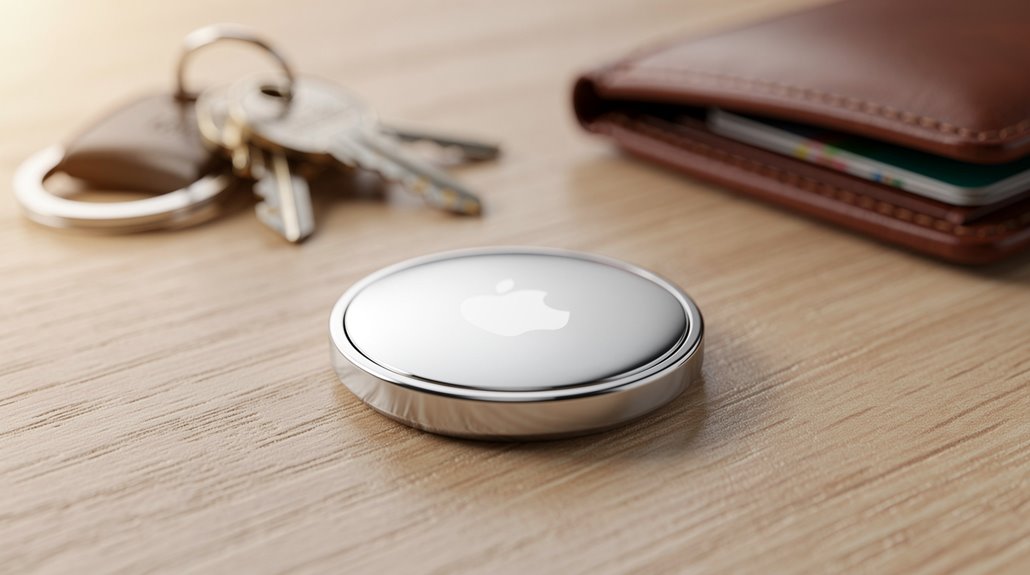
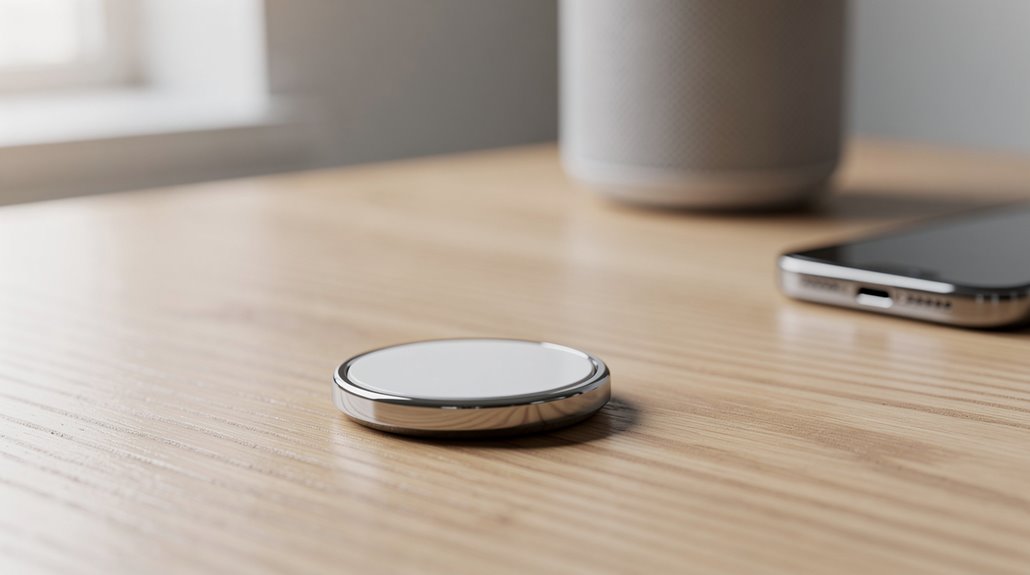
The price was unwavering across digital and brick-and-mortar altars, including apple.com and its physical sanctuaries, with regional tweaks for the global plebs. Apple’s first foray into item-finder territory didn’t exactly reinvent the wheel; it wrapped it in a shiny, stainless steel shell crowned with an engraving option for your tortured soul’s initials or a saccharine emoji, as if personalization could mask the existential dread of being perpetually monitored.
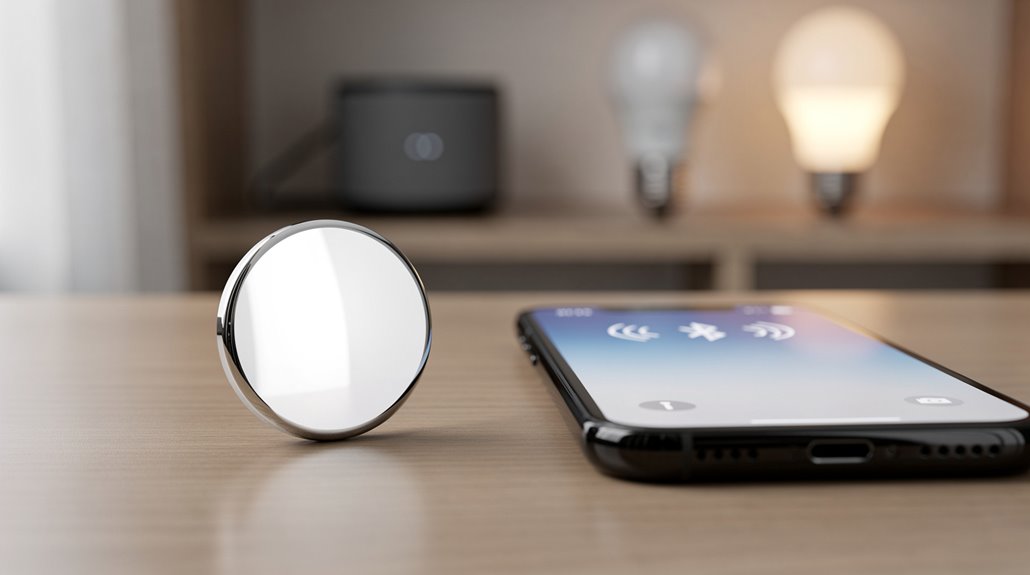
The compact gadget boasted IP67 water and dust resistance, a built-in speaker capable of shamefully betraying its occupant’s location, and an Apple-crafted U1 chip wielding Ultra Wideband sorcery to usher in “Precision Finding.” This feature provides precise distance and directional guidance, but it is limited to iPhone models 11 and 12, tethering users further into Apple’s ecosystem.
A non-rechargeable CR2032 battery offered over a year of drip-feed power, cleverly igniting consumer dependency on easy, DIY battery swaps without a hint of professional sanctimony. This little Pandora’s box demanded iOS 14.5 or later, an Apple ID tether, and the divine grace of Find My enabled in the ether of iCloud.
Despite vows whispered in encrypted secrecy—that no locational datum would dwell within the AirTag itself—applause rings hollow when the anti-stalking measures lag, only grudgingly added in February 2022 with a half-hearted warning system and a token Android app called Tracker Detect.
Apple might claim it cannot spy on its minions, yet the very architecture of AirTag’s privacy is a facade masking the punitive orchestration of digital panopticism, a high-tech leash dressed as liberty.
Frequently Asked Questions
How Does Airtag’s Precision Finding Technology Work?
AirTag’s precision finding technology combines Ultra-Wideband and Bluetooth with iPhone sensors like camera, accelerometer, and gyroscope. It delivers real-time direction, distance, and haptic feedback, guiding users accurately within close proximity to locate their belongings.
Can Airtags Be Used With Android Devices?
AirTags cannot be fully used with Android devices, as they lack integration with the Apple Find My network. However, Android users can detect unknown AirTags nearby using the Tracker Detect app, which helps prevent unwanted tracking.
What Materials Are Used to Make Airtags?
AirTags consist of PC-ABS plastic, rubberized casing, steel cover, and gilded plastic antenna frames. Internally, recycled tin, mercury-free materials, Nordic Semiconductor chips, electrolytic capacitors, accelerometers, and gold-plated antennas guarantee efficient, eco-conscious construction.
How Long Does the Airtag Battery Last?
The AirTag battery typically lasts about one year with regular use, though some users report up to 1.5 years. Battery life begins upon activation, with CR2032 lithium coin batteries providing reliable, replaceable power for tracking functionality.
Are Airtags Waterproof or Water-Resistant?
AirTags are water-resistant, not waterproof, with an IP67 rating allowing submersion up to 1 meter for 30 minutes. Resistance diminishes over time due to wear, and extended or deep water exposure risks permanent damage.
References
- https://www.apple.com/newsroom/2021/04/apple-introduces-airtag/
- https://www.macrumors.com/2025/06/27/airtags-2-features-launch/
- https://en.wikipedia.org/wiki/AirTag_(company)
- https://en.wikipedia.org/wiki/AirTag
- https://apple.fandom.com/wiki/AirTag
- https://www.apple.com/newsroom/2022/02/an-update-on-airtag-and-unwanted-tracking/
- https://9to5mac.com/2025/11/03/apple-does-launch-new-products-in-november-heres-when-it-happened-last/
- https://www.seinxon.com/blogs/blog-posts/how-do-airtag-work
- https://www.petermorin.com/the-science-behind-apple-airtags/
- https://www.asurion.com/connect/tech-tips/airtags-how-they-work/