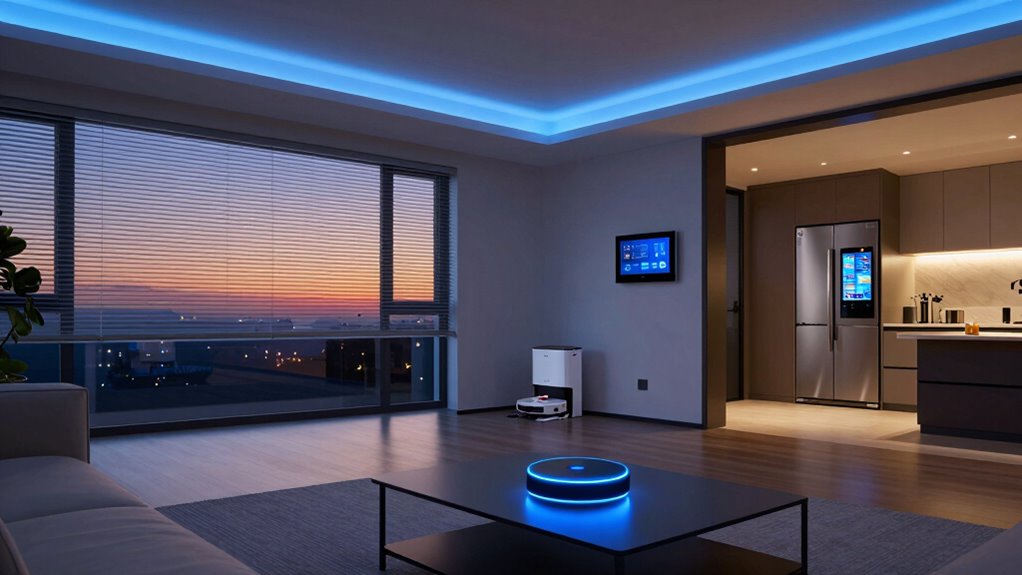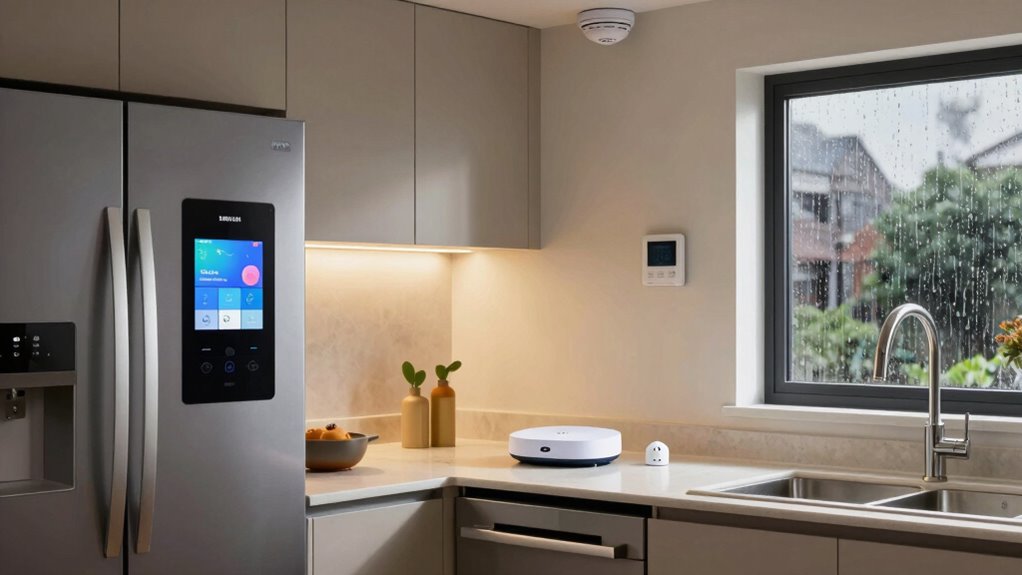
Samsung home appliances connected to the SmartThings app share protective capability information with participating insurance carriers. Customers opt into the program through the SmartThings app at no additional cost.
Connected appliances that detect early risk indicators, such as small water leaks, establish a stronger safety profile for the household. Insurers recognize equipped smart homes as having appliances capable of identifying issues and notifying users. Insurance carriers apply premium-reducing policy credits based on the presence and capabilities of connected smart appliances. Proven success in pilot programs has demonstrated the potential for significant savings and scalability.
Smart appliances detect risks like water leaks, enhancing home safety and earning premium-reducing credits from insurers.
Partnership and Development
Samsung Electronics and Hartford Steam Boiler (HSB), a Munich Re subsidiary specializing in technology-driven risk management, co-developed the service. HSB serves as a leading provider of equipment and appliance insurance.
The program aligns with the Home Connectivity Alliance (HCA) Insurance Interface Specification standards. The service design follows a scalable, open, pro-competitive model allowing multiple insurers to participate. The Samsung SmartThings Hub integrates with multiple connectivity protocols including Zigbee and Z-Wave to enable comprehensive device monitoring. The partnership creates a bridge between smart home technology and the insurance industry through data-driven insights.
Pilot Program Results and Success
Samsung and HSB piloted Smart Home Savings with major U.S. home-insurance carriers in Florida during 2025. Early results from the pilot revealed meaningful premium reductions for many participating households.
Actual savings vary depending on individual home characteristics, state regulations, and specific insurance company policies. The successful pilot outcomes prompted expansion plans across additional U.S. states. Early results demonstrated strong performance according to HSB leadership statements.
Expansion Plans and Availability
The program is expanding to additional U.S. states beyond Florida. Global expansion to Europe and other regions is planned throughout 2026.
The program is now publicly available for U.S. insurance companies to join. Samsung and HSB are working with leading insurance carriers to extend the service. The open ecosystem model allows a growing ecosystem of smart-home brands to participate alongside Samsung.
Technology and Data Integration
Smart home data used in the program is managed responsibly and transparently to reduce insurance claims. Connected appliances catch problems before they escalate, directly reducing claim occurrences.
Simple data points from smart appliances are transformed into tangible consumer savings. The SmartThings platform serves as the central hub for appliance connectivity and data sharing. Smart home equipment integration develops consumer trust through direct, measurable benefits.
Market Impact and Competition
The open, pro-competitive model fosters innovation across both insurance and smart-home markets. Multiple insurers and smart-home brands can participate in the ecosystem. The program has already demonstrated Smart Home Savings success in lowering insurance costs for consumers.
References
- https://news.samsung.com/za/samsung-electronics-collaborates-with-hartford-steam-boiler-hsb-to-introduce-smart-home-savings
- https://news.samsung.com/my/samsung-electronics-collaborates-with-hartford-steam-boiler-hsb-to-introduce-smart-home-savings
- https://news.samsung.com/global/samsung-electronics-collaborates-with-hartford-steam-boiler-hsb-to-introduce-smart-home-savings
- https://www.samsung.com/us/home-appliances/smartthings-home-insurance-discounts/
- https://www.techbuzz.ai/articles/samsung-pitches-open-ecosystems-as-path-to-home-ai-future
- https://news.samsung.com/in/samsung-highlights-how-open-ecosystems-unlock-the-real-promise-of-home-ai-at-ces-2026
- https://www.webwire.com/ViewPressRel.asp?aId=348738
- https://www.samsung.com/us/support/samsung-care-plus/