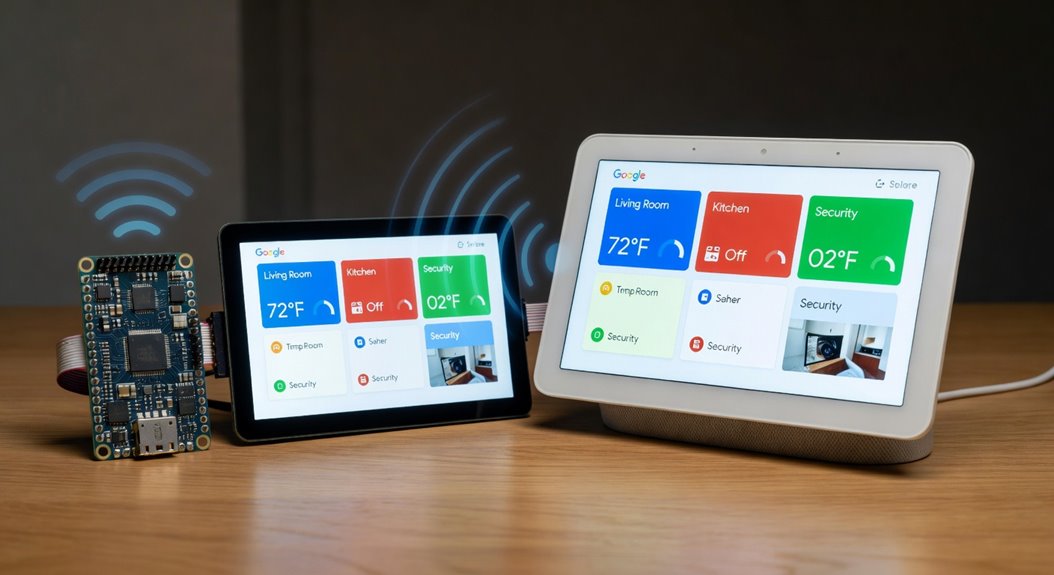

Prices are tanking too—down 14% in Europe, headed lower—thanks to cheaper sensors and mass production.
Smart tech is getting cheaper—14% less in Europe, and still falling—thanks to low-cost sensors and mass production.
Soon, smart homes won’t be just for folks with six-figure salaries. Even in fast-growing markets like India, affordable devices and rising internet access are turning cities into smart hubs.
Further price declines are accelerating adoption, with GfK reporting a 14% drop in smart home device prices in Europe from 2022 to April 2023 alone.
Companies like Wyze have pioneered this accessibility revolution by challenging corporate greed with affordable options that still integrate with major platforms.
But it’s not just about affordability or flashy features. The real revolution? Letting go of the obsession with *owning* smart gadgets and moving toward environments that respond, adapt, and disappear into the background.
The smart home isn’t dead—it’s just finally growing up, shutting up, and doing its job.
References
- https://blog.switch-bot.com/smart-home-market-trends-and-predictions-you-should-know/
- https://iotbreakthrough.com/the-smart-home-in-2026-whats-actually-sticking-and-whats-not/
- https://www.skyquestt.com/report/smart-home-market
- https://www.marketsandmarkets.com/Market-Reports/smart-homes-and-assisted-living-advanced-technologie-and-global-market-121.html
- https://www.rootsanalysis.com/smart-home-market
- https://www.grandviewresearch.com/industry-analysis/smart-homes-industry
- https://www.idc.com/resource-center/blog/global-memory-shortage-crisis-market-analysis-and-the-potential-impact-on-the-smartphone-and-pc-markets-in-2026/
- https://iot-analytics.com/number-connected-iot-devices/