While enthusiastic technophiles refresh their Google Home apps with the desperate fervor of scalpers hunting concert tickets, the corporate overlords at Mountain View have orchestrated yet another masterclass in artificial scarcity—because nothing says “revolutionary AI assistant” quite like gating access behind regional restrictions and premium subscription tiers.
Google’s theatrical rollout transforms cutting-edge AI features into exclusive commodities, wrapped in regional restrictions and subscription paywalls masquerading as innovation.
The inconvenient truth that will disappoint Reddit’s r/GoogleHome disciples: there exists no legitimate workaround to bypass Google’s meticulously choreographed rollout. No secret APK files, no developer mode exploits, no VPN wizardry that transforms your Toronto apartment into a Silicon Valley penthouse. The search results contain precisely zero methods for circumventing manufacturer restrictions, presumably because helping users dodge corporate gatekeeping violates someone’s terms of service somewhere.
Instead, Google magnanimously offers an “official Early Access program” that launched October 28, 2025, exclusively for Americans who presumably deserve AI enlightenment before their Commonwealth cousins. Citizens of Canada, the United Kingdom, Ireland, Australia, and New Zealand must wait until early 2026, trapped in technological purgatory while debating whether their smart speakers have become glorified kitchen timers.
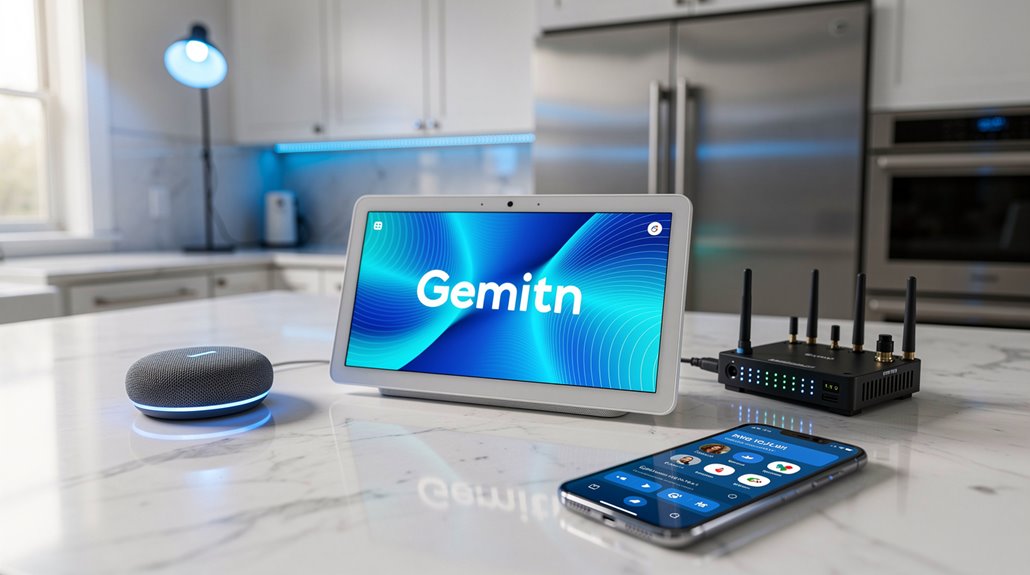
Device compatibility, mercifully, extends to hardware manufactured since 2016—Google Nest Hub Max, Google Home Mini, Google Nest Audio, and their various iterations all qualify. One supposes this generosity stems from corporate benevolence rather than the embarrassing optics of bricking six-year-old speakers worth hundreds of dollars.
The punchline arrives with Gemini Live, the feature enabling “fluid back-and-forth conversations” that apparently requires a Google Home Premium subscription. Because conversing naturally with an AI assistant—the fundamental promise of voice technology since 2011—now constitutes premium content worthy of recurring payments. The feature works exclusively on select devices, naturally, creating hierarchies within hierarchies like Russian nesting dolls of consumer frustration. The redesigned Google Home app promises natural-language video history search, at least granting users the privilege of asking their surveillance apparatus what happened yesterday without mastering Boolean operators. Meanwhile, peasants granted access to the basic tier must content themselves with quick search and simple device queries, free features that generously permit asking which lights are currently illuminated.
For those seeking legitimate access, the Early Access program through the Google Home app represents the singular approved pathway. No shortcuts exist, no hacks materialize, no rebellious workarounds emerge from developer forums. Just patient submission to Google’s release schedule, because disrupting algorithmic timelines apparently only flows one direction—from corporation to consumer, never reversed.
References
- https://9to5google.com/2025/10/06/gemini-for-home-rolling-out-schedule-countries/
- https://skywork.ai/blog/gemini-ai-replaces-google-assistant-google-home-2025/
- https://www.googlenestcommunity.com/t5/Blog/Rollout-begins-an-all-new-more-powerful-assistant-for-your-home/ba-p/757613
- https://support.google.com/googlenest/answer/16613534?hl=en
- https://home.google.com/get-inspired/the-new-google-home-built-around-you/
- https://blog.google/products/google-nest/gemini-for-home/